








Introduction
In today’s data-driven world, businesses generate and collect massive amounts of information every day. Managing this data efficiently and transforming it into actionable insights is no longer optional—it’s essential. Data hub technologies have emerged as a central solution, enabling organizations to streamline data storage, enhance accessibility, and analyze data for strategic decision-making. With growing digital adoption, companies like Hub2Technologies are helping enterprises leverage data hub solutions to stay ahead in the competitive digital landscape.
What Are Data Hub Technologies?
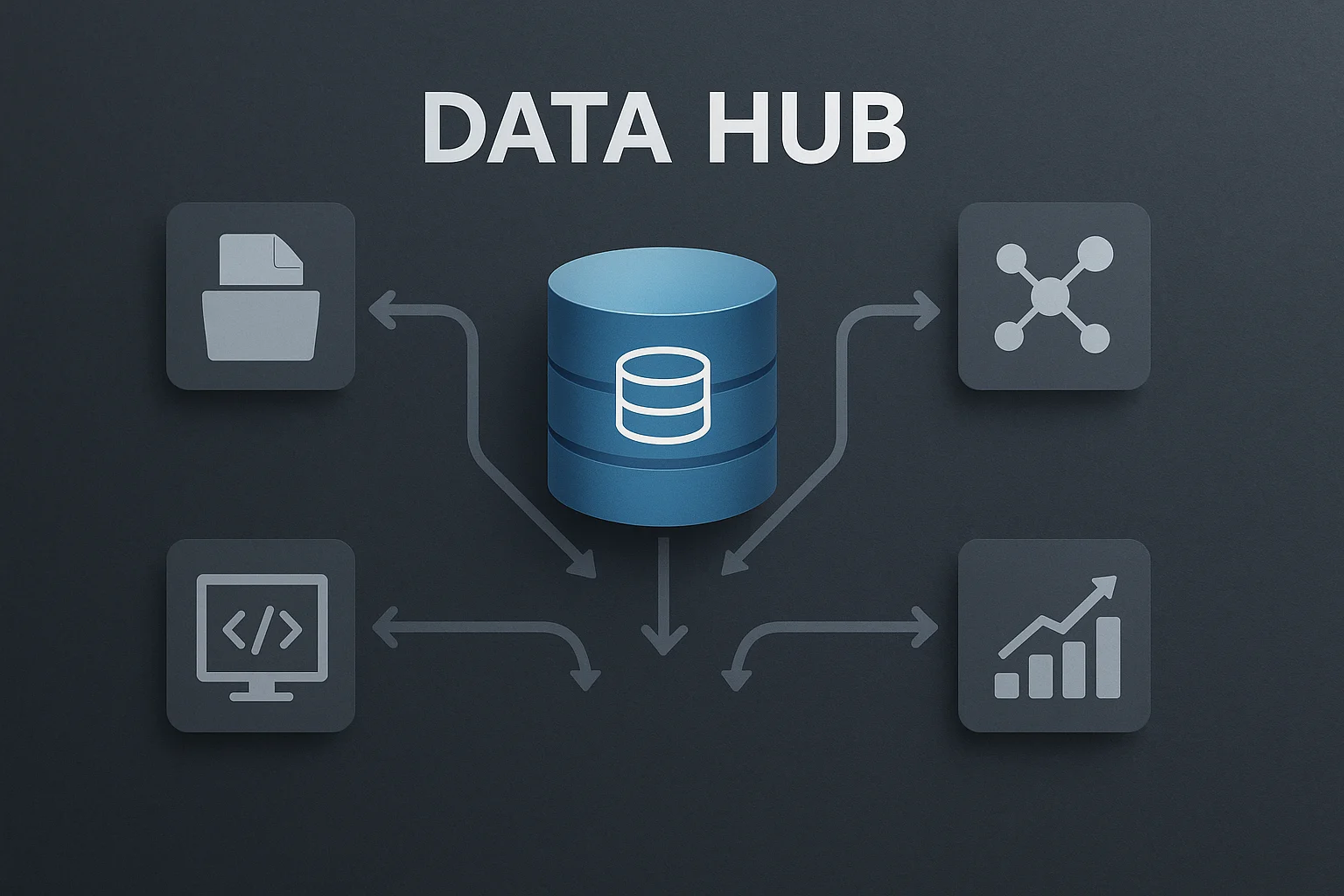
A data hub is a centralized platform designed to collect, integrate, manage, and distribute data across various systems within an organization. Unlike traditional databases that serve a single function, data hub technologies consolidate multiple data streams, making them available for different business units, analytics platforms, and applications.
This approach reduces duplication, improves efficiency, and ensures consistent data quality across the enterprise. As a result, businesses can access real-time insights and drive smarter decision-making.
Why Businesses Need Data Hub Technologies
The volume of data produced globally is expected to grow exponentially in the coming years. For organizations that rely on manual data management, this poses a serious challenge. Here’s why investing in data hub technologies is critical:
1. Centralized Data Management
Data hubs provide a unified location where structured, semi-structured, and unstructured data can be managed seamlessly. This reduces silos and ensures all departments access the same reliable data.
2. Real-Time Data Access
Modern businesses need instant insights to react quickly. Data hub solutions allow teams to access real-time data without delays, improving responsiveness and operational efficiency.
3. Enhanced Data Quality
Duplicate or inconsistent data leads to poor decision-making. With centralized governance, a data hub improves accuracy, consistency, and compliance with industry standards.
4. Scalability and Flexibility
From startups to global enterprises, data hub technologies scale easily as data grows. They also integrate smoothly with cloud platforms, AI systems, and IoT devices.
5. Improved Analytics Capabilities
By consolidating multiple data streams, businesses can run advanced analytics, machine learning models, and predictive tools more effectively.
Key Features of Data Hub Technologies
Organizations leveraging Hub2Technologies or other providers benefit from features designed to optimize efficiency and insights:
- Data Integration: Connects disparate systems such as CRMs, ERPs, and IoT devices.
- Data Transformation: Cleanses, formats, and enriches data for consistent use.
- APIs and Connectivity: Provides seamless data sharing between applications.
- Security and Compliance: Ensures sensitive data is protected and meets regulatory requirements.
- Advanced Analytics: Offers built-in tools for visualization, reporting, and predictive modeling.
How Data Hub Technologies Compare with Data Lakes and Warehouses
Data lakes and warehouses have long been the go-to data storage solutions, but they serve different purposes than data hubs:
- Data Lakes: Store raw, unstructured data for future processing.
- Data Warehouses: Store structured, historical data optimized for reporting.
- Data Hubs: Act as a centralized exchange, integrating structured and unstructured data and making it accessible across multiple platforms in real-time.
This makes data hub technologies more versatile and adaptive to modern business needs.
Use Cases of Data Hub Technologies
Businesses across industries are adopting data hubs to gain competitive advantages:
Healthcare
Data hubs enable hospitals to integrate patient records, lab results, and wearable device data, improving patient care and predictive diagnostics.
Finance
Financial institutions use data hubs for fraud detection, real-time transaction monitoring, and personalized customer services.
Retail & E-commerce
Retailers integrate customer behavior data, sales analytics, and supply chain insights for personalized marketing and inventory optimization.
Agriculture
Through platforms like Farmers Hub Technologies, data hubs help farmers analyze weather patterns, soil conditions, and market prices to improve crop yields.
Logistics & Transport
Solutions like Haul Hub Technologies leverage centralized data for route optimization, fleet tracking, and supply chain transparency.
The Role of Hub2Technologies in Data Management
As a leader in innovative IT solutions, Hub2Technologies delivers customized data hub technologies that address the challenges of modern data management. From digital hub technologies to specialized solutions such as scripts hub technologies and solution hub technologies, the company empowers organizations to:
- Simplify data integration.
- Ensure secure storage and compliance.
- Enable faster data-driven decision-making.
- Deliver tailored analytics dashboards for different industries.
Whether it’s enterprises adopting R1 Hub Technologies 2.0, creative businesses relying on Artist Hub Technologies, or enterprises managing complex workflows with V Hub Technologies Private Limited, Hub2Technologies provides adaptable data hub solutions for diverse needs.
Benefits of Partnering with Hub2Technologies
Organizations that choose Hub2Technologies for data management gain:
- Tailored Implementation: Customized solutions aligned with business goals.
- Cutting-Edge Security: Enterprise-grade protection against data breaches.
- Scalable Infrastructure: Supports both growing startups and established enterprises.
- Expert Leadership: Guidance from specialists with deep expertise in hub technologies leadership.
Future of Data Hub Technologies
The future of data hub technologies is closely linked with AI, machine learning, and cloud-native systems. As businesses increasingly rely on data-driven insights, we can expect data hubs to evolve into intelligent ecosystems capable of:
- Automating data cleansing and enrichment.
- Enabling real-time collaboration across global teams.
- Supporting digital twins and simulation models.
- Driving innovation in industries like sports (via sports hub technologies) and creative sectors (through digital graphix hub technologies inc).
Organizations that embrace these advancements will be well-positioned to lead in the digital economy.
Best Practices for Implementing Data Hub Technologies
To maximize value from a data hub, businesses should:
- Define Clear Objectives: Establish goals such as better reporting, customer insights, or compliance.
- Ensure Data Governance: Maintain rules for data access, quality, and security.
- Integrate with Existing Systems: Ensure smooth connectivity with legacy systems and modern apps.
- Train Teams: Build data literacy across the organization for better adoption.
- Scale Gradually: Start small and expand as data maturity grows.
Conclusion
In a digital era dominated by information, data hub technologies are the cornerstone of efficient data management and analytics. They empower organizations to integrate scattered data, deliver real-time insights, and fuel innovation across industries. Companies like Hub2Technologies continue to lead this transformation, offering scalable and secure solutions tailored to diverse business needs.
If your business wants to stay competitive, now is the time to embrace a data hub strategy. Partner with Hub2Technologies and unlock the full potential of your data.