








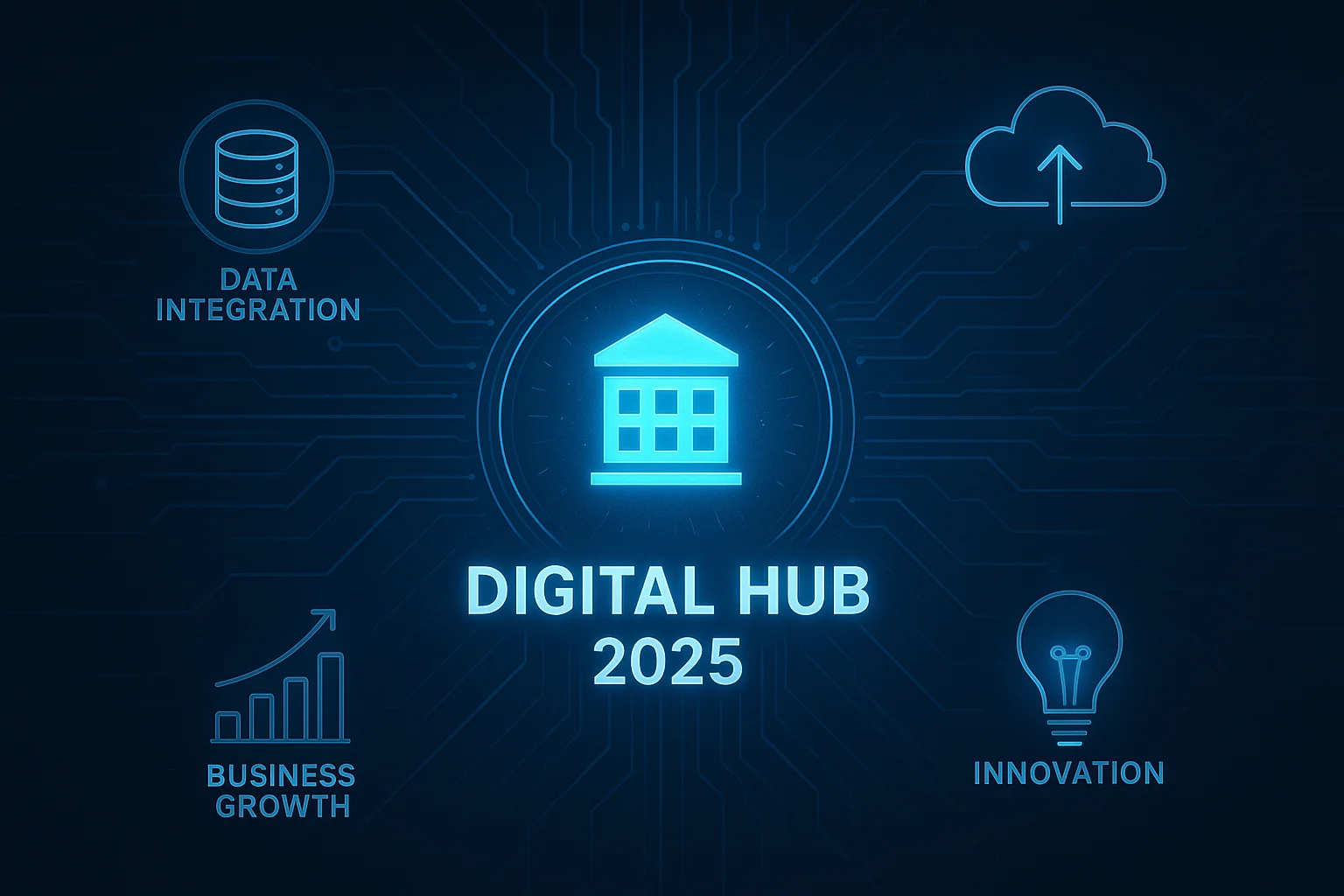
In today’s fast-paced digital era, digital hub technologies are transforming the way businesses, organizations, and individuals manage, process, and share data. A digital hub acts as a central ecosystem where technology, people, and processes converge to create efficient workflows, enhance collaboration, and drive innovation. As we step into 2025, digital hubs are becoming more powerful, scalable, and essential for industries worldwide.
This complete guide explores the concept of digital hub technologies, their key components, applications across sectors, benefits, challenges, and the future of this evolving field. Whether you are a business leader, tech enthusiast, or student, this article will help you understand why digital hubs are critical for sustainable growth in the modern world.
What Are Digital Hub Technologies?
Digital hub technologies refer to integrated platforms that serve as centralized systems for managing digital operations. They bring together data, applications, and digital tools into one unified environment, making it easier for organizations to handle complex workflows and communication.
Unlike traditional IT systems, digital hubs are adaptive and capable of integrating emerging technologies such as artificial intelligence, cloud computing, big data analytics, and the Internet of Things (IoT). Companies like Hub2Technologies, Solution Hub Technologies, and R1 Hub Technologies 2.0 are contributing to the growing demand for smarter digital ecosystems.
Why Digital Hub Technologies Matter in 2025
The global market is shifting towards hyper-connectivity, automation, and digital-first strategies. Businesses are no longer relying on isolated systems; instead, they need interconnected platforms to deliver seamless user experiences. Here’s why digital hub technologies are becoming indispensable:
- Centralized Operations: Reduce complexity by integrating multiple tools and workflows into a single platform.
- Data-Driven Decisions: Improve efficiency with real-time analytics and insights.
- Scalability: Support growing business needs without heavy infrastructure costs.
- Collaboration: Enable cross-departmental and global teamwork with secure sharing.
- Future-Proofing: Stay aligned with innovations like AI, blockchain, and cloud-native systems.
Core Components of Digital Hub Technologies
1. Data Integration
Data hub technologies lie at the heart of digital hubs. By consolidating information from different systems, organizations can create a single source of truth for better decision-making.
2. Cloud Infrastructure
Cloud computing makes digital hubs scalable, secure, and cost-effective. Providers like AWS, Microsoft Azure, and Google Cloud enable businesses to expand globally without physical limitations.
3. Artificial Intelligence & Automation
From customer service chatbots to predictive analytics, AI empowers digital hubs to automate repetitive tasks and deliver personalized solutions.
4. Security & Compliance
In 2025, cybersecurity is a top priority. Companies are adopting encryption, multi-factor authentication, and compliance frameworks to ensure safe digital transformation.
5. User Experience (UX) Tools
Digital hub technologies are built to simplify interactions. A seamless design ensures employees, customers, and stakeholders can engage with ease.
Applications of Digital Hub Technologies
Business Enterprises
Corporations adopt digital hubs for CRM, ERP, supply chain management, and internal communications. This ensures better productivity and customer satisfaction.
Education
Universities and schools are using platforms like My Hub Technologies to manage e-learning, student portals, and digital libraries.
Healthcare
Digital hubs support telemedicine, patient records, and research collaboration, making healthcare more accessible and efficient.
Agriculture
Farmers Hub Technologies leverage IoT sensors and data analytics to improve crop yields, supply chain logistics, and farming efficiency.
Logistics & Transport
Platforms such as Haul Hub Technologies optimize fleet management, delivery tracking, and supply chain operations.
Creative & Media
Companies like Artist Hub Technologies and Digital Graphix Hub Technologies Inc provide centralized digital solutions for designers, musicians, and media houses.
Sports & Entertainment
With the rise of Sports Hub Technologies, fan engagement platforms and athlete performance tracking systems are revolutionizing the industry.
Benefits of Digital Hub Technologies
- Efficiency Gains: Streamlined workflows reduce duplication of tasks.
- Cost Savings: Minimize IT infrastructure and licensing expenses.
- Innovation: Enable organizations to experiment with new technologies quickly.
- Global Reach: Expand business opportunities through cloud-native hubs.
- Customization: Adapt solutions to fit industry-specific needs.
Challenges in Adopting Digital Hub Technologies
- Implementation Costs: Initial setup and integration can be expensive for small businesses.
- Cybersecurity Risks: Increasing digital dependency exposes organizations to potential breaches.
- Change Management: Employees may resist adapting to new systems.
- Data Overload: Handling vast amounts of data requires proper governance frameworks.
- Vendor Dependency: Relying on third-party platforms can create long-term lock-in risks.
Future Trends in Digital Hub Technologies (2025 & Beyond)
- AI-Powered Hubs: Predictive analytics, natural language processing, and autonomous decision-making will redefine digital ecosystems.
- Blockchain Integration: Secure and transparent data exchanges will reduce fraud and errors.
- 5G & Edge Computing: Ultra-fast networks will power real-time applications and IoT devices.
- Sustainability: Green IT initiatives will align digital hubs with eco-friendly strategies.
- Personalized Platforms: More industries will build custom hubs tailored to specific business models.
Hub2Technologies and Industry Leadership
Hub2Technologies stands as a reliable partner in digital transformation. Its services span across digital hub solutions, advanced data management, and business growth strategies. The company is known for providing scalable and secure digital platforms that cater to diverse industries.
Similarly, other players like Solution Hub Technologies, V Hub Technologies Private Limited, and Scripts Hub Technologies are innovating in niche areas. Together, these companies shape the global ecosystem of hub technologies.
How to Choose the Right Digital Hub Solution
When selecting a digital hub platform, businesses should evaluate:
- Scalability & Flexibility
- Security Features
- Integration Capabilities
- Vendor Support
- Cost-Effectiveness
- User Experience
Making the right choice ensures smoother adoption and maximized returns on investment.
Conclusion
Digital hub technologies are no longer optional—they are essential for surviving and thriving in 2025’s digital-first world. By unifying operations, enhancing collaboration, and enabling innovation, these hubs provide a competitive edge across industries.
If you are a business leader looking to future-proof your organization, now is the time to explore solutions like Hub2Technologies and similar platforms. Investing in digital hub technologies today ensures that your business remains agile, scalable, and ready for the future.