







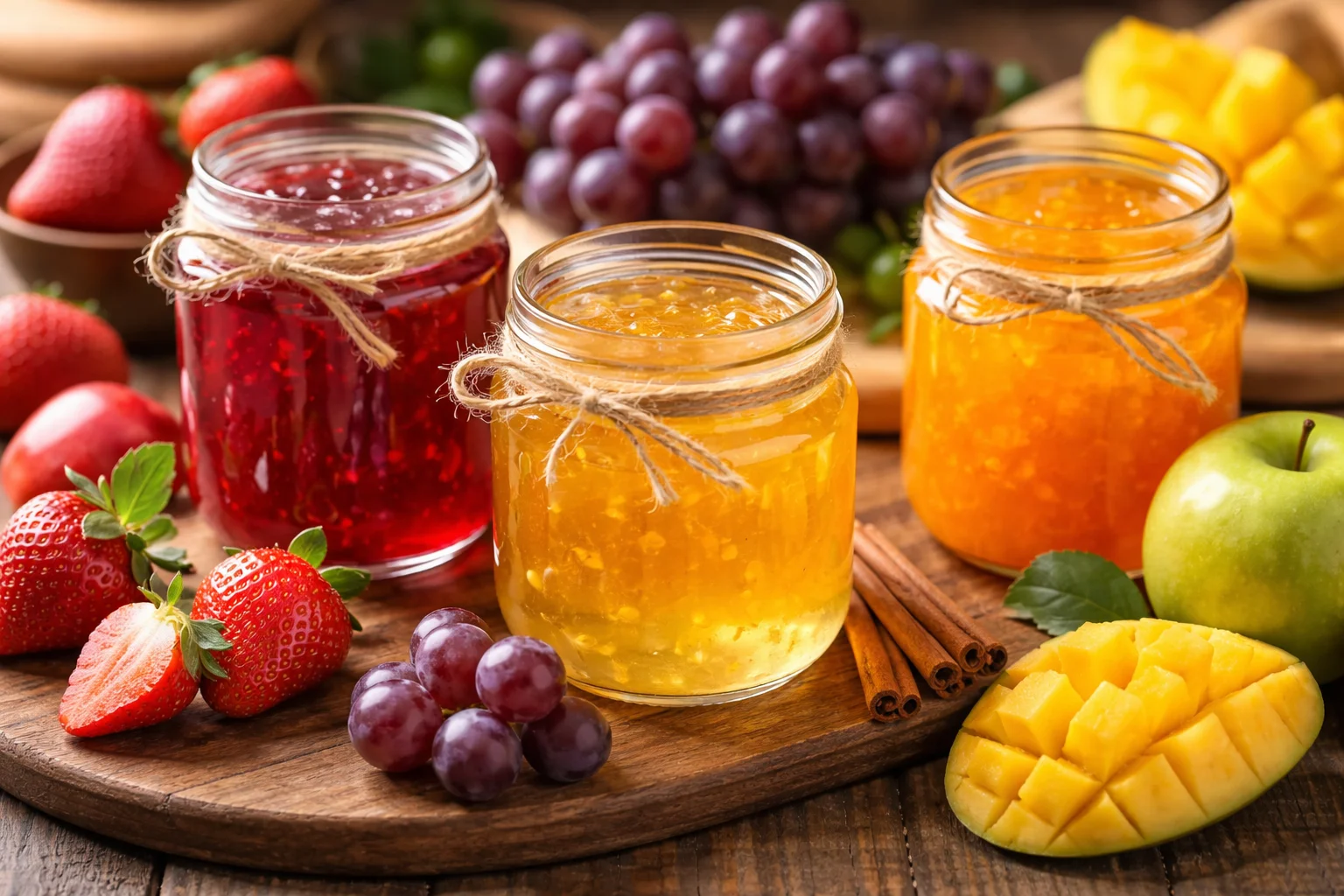
Jelly recipes have long been a staple in kitchens around the world, offering a delightful burst of flavor and texture that enhances any meal. Whether you’re a culinary enthusiast seeking to broaden your repertoire or a beginner eager to try your hand at homemade preserves, this comprehensive guide to jelly recipes will provide you with all the insights and inspiration you need. From classic fruit jellies to innovative vegan and sugar-free options, explore the art of jelly making with ease and confidence.
Introduction to Jelly Recipes
Jelly is a beloved culinary creation, known for its smooth texture and vibrant flavors. It’s a type of fruit preserve made by boiling fruit juice with sugar and pectin or gelatin, resulting in a clear, firm spread. Whether enjoyed on a warm slice of toast or used as a glaze for meats, jelly adds a touch of sweetness and sophistication to any dish. With the growing interest in homemade and artisanal foods, learning how to make jelly at home can be both rewarding and enjoyable.
See alos Weber Grillvorführung: Smart Tech Meets Traditional BBQ in a Hybrid Culinary Showcase
Why Make Jelly at Home?
- Control Over Ingredients: Homemade jelly allows you to choose fresh, organic ingredients, ensuring no unwanted additives.
- Customization: Create unique flavors by experimenting with different fruits and spices.
- Dietary Considerations: Easily make vegan or sugar-free versions to suit your dietary needs.
History and Origin of Jelly
The art of jelly making dates back centuries, with its origins rooted in the preservation of fruits. Initially developed as a method to extend the shelf life of seasonal produce, jellies have evolved into a culinary art form appreciated across the globe. From ancient Greece to modern-day kitchens, the basic principles of jelly making have remained unchanged, celebrating the natural sweetness and vibrant colors of fruit.
Types of Jelly Recipes
Jelly recipes can be categorized into various types based on ingredients and preparation methods. Here are a few popular categories:
Fruit-Based Jelly Recipes
- Classic Strawberry Jelly:
- Ingredients: Fresh strawberries, sugar, pectin, water.
- Flavor Profile: Sweet and slightly tart, perfect for breakfast spreads.
- Apple Jelly:
- Ingredients: Apple juice, sugar, pectin.
- Flavor Profile: Mildly sweet with a hint of tartness, versatile for both sweet and savory dishes.
Savory Jelly Recipes
- Red Pepper Jelly:
- Ingredients: Red bell peppers, vinegar, sugar, pectin.
- Flavor Profile: Sweet and spicy, ideal as a condiment or glaze.
- Tomato Basil Jelly:
- Ingredients: Tomato juice, basil, sugar, pectin.
- Flavor Profile: Rich and fragrant, perfect for pairing with cheese platters.
How to Make Jelly: A Step-by-Step Guide
Creating homemade jelly is a straightforward process that requires patience and precision. Here’s a detailed guide to help you master the art of jelly making:
Ingredients Needed
- Fruit Juice: The base of any jelly, providing flavor and color.
- Sugar: Essential for sweetness and preservation.
- Pectin or Gelatin: A gelling agent that gives jelly its firm texture.
- Acid (Lemon Juice or Vinegar): Enhances flavor and helps in gelling.
Equipment Required
- Large Saucepan: For boiling ingredients.
- Candy Thermometer: To monitor temperature.
- Strainer or Jelly Bag: For extracting clear juice.
- Sterilized Jars: For storing the finished jelly.
Cooking Instructions
- Prepare the Fruit Juice: Extract juice from your chosen fruit using a strainer or jelly bag.
- Combine Ingredients: In a saucepan, mix fruit juice, sugar, and pectin.
- Boil the Mixture: Bring to a rolling boil, stirring constantly to dissolve sugar.
- Test for Gelling: Use a candy thermometer to check the temperature. The ideal gelling point is 220°F (104°C).
- Pour into Jars: Carefully ladle the hot jelly into sterilized jars, leaving 1/4 inch of headspace.
- Seal and Store: Seal jars with lids and process in a boiling water bath for 5-10 minutes.
Tips and Tricks for Perfect Jelly
Making jelly can be a delicate process. Here are some expert tips to ensure success:
- Use Fresh Ingredients: Fresh fruit and juice yield the best flavor and texture.
- Don’t Rush the Boil: Allow the mixture to reach the correct temperature for proper gelling.
- Check Pectin Levels: Fruits vary in natural pectin content; adjust accordingly or add commercial pectin if needed.
Common Mistakes to Avoid
- Incorrect Temperature: Failing to reach the gelling point can result in runny jelly.
- Not Using Enough Acid: Acid is crucial for proper setting and flavor balance.
- Skipping Sterilization: Improperly sterilized jars can lead to spoilage.
Jelly Recipe Variations
Vegan Jelly Recipes
Vegan jellies omit gelatin, using plant-based alternatives like agar-agar or fruit pectin. These recipes are perfect for those following a plant-based diet.
Sugar-Free Jelly Options
For health-conscious individuals, sugar-free jellies use natural sweeteners like stevia or erythritol, providing a guilt-free indulgence.
Seasonal Jelly Recipes
Embrace the flavors of each season with seasonal jelly recipes. From spring rhubarb to winter cranberry, these jellies capture the essence of the season.
Exotic Fruit Jelly
Explore unique flavors with exotic fruit jelly recipes. Tropical fruits like mango, passion fruit, and lychee offer an adventurous twist to traditional jellies.
Case Study: Transforming Classic Jelly Recipes
The Evolution of Strawberry Jelly:
Strawberry jelly has long been a favorite in many households. Initially, it was a simple combination of strawberries, sugar, and pectin. However, modern variations have introduced exciting elements like balsamic vinegar, black pepper, or even a splash of champagne. These additions elevate the classic recipe, creating a sophisticated spread ideal for gourmet dining experiences.
Comparison Table: Traditional vs. Modern Jelly Recipes
| Aspect | Traditional Jelly Recipes | Modern Jelly Recipes |
| Ingredients | Basic fruits, sugar, pectin | Exotic fruits, herbs, spices |
| Flavor Profile | Simple, sweet | Complex, layered flavors |
| Dietary Options | Limited | Vegan, sugar-free, gluten-free |
| Preparation | Standard boiling method | Innovative techniques |
Jelly in Baking: A Sweet Addition
Incorporating jelly into baked goods is a delightful way to enhance flavors. Jelly can be used as a filling for cakes, a glaze for pastries, or even mixed into batters for a fruity twist. The possibilities are endless, allowing bakers to experiment with different flavor combinations and textures.
FAQ about Jelly Recipes
- What is the difference between jelly and jam?
Jelly is made from fruit juice, resulting in a clear and firm texture, while jam is made from crushed fruit, offering a thicker and more textured consistency.
- How do you thicken homemade jelly?
Ensure you reach the correct boiling temperature and use an adequate amount of pectin or gelatin. Adding lemon juice can also aid in thickening.
- Can you make jelly without pectin?
Yes, some fruits naturally contain high levels of pectin, allowing you to make jelly without added pectin. Alternatively, you can use agar-agar as a plant-based substitute.
- How long does homemade jelly last?
Properly sealed and stored jelly can last up to one year. Once opened, refrigerate and consume within a few weeks.
- What are some easy jelly recipes for beginners?
Start with simple recipes like apple or grape jelly, which require minimal ingredients and straightforward preparation.
Conclusion
Jelly recipes offer a world of culinary possibilities, from classic favorites to innovative new flavors. By mastering the art of jelly making, you can enjoy homemade preserves that are tailored to your taste and dietary preferences. Whether you’re a seasoned cook or a beginner, this guide provides the knowledge and inspiration you need to create delicious, homemade jellies. So, roll up your sleeves, gather your ingredients, and embark on a sweet adventure in the world of jelly making. Visit www.recipesjelly.com for more exciting recipes and tips, and join our community of jelly enthusiasts today!