







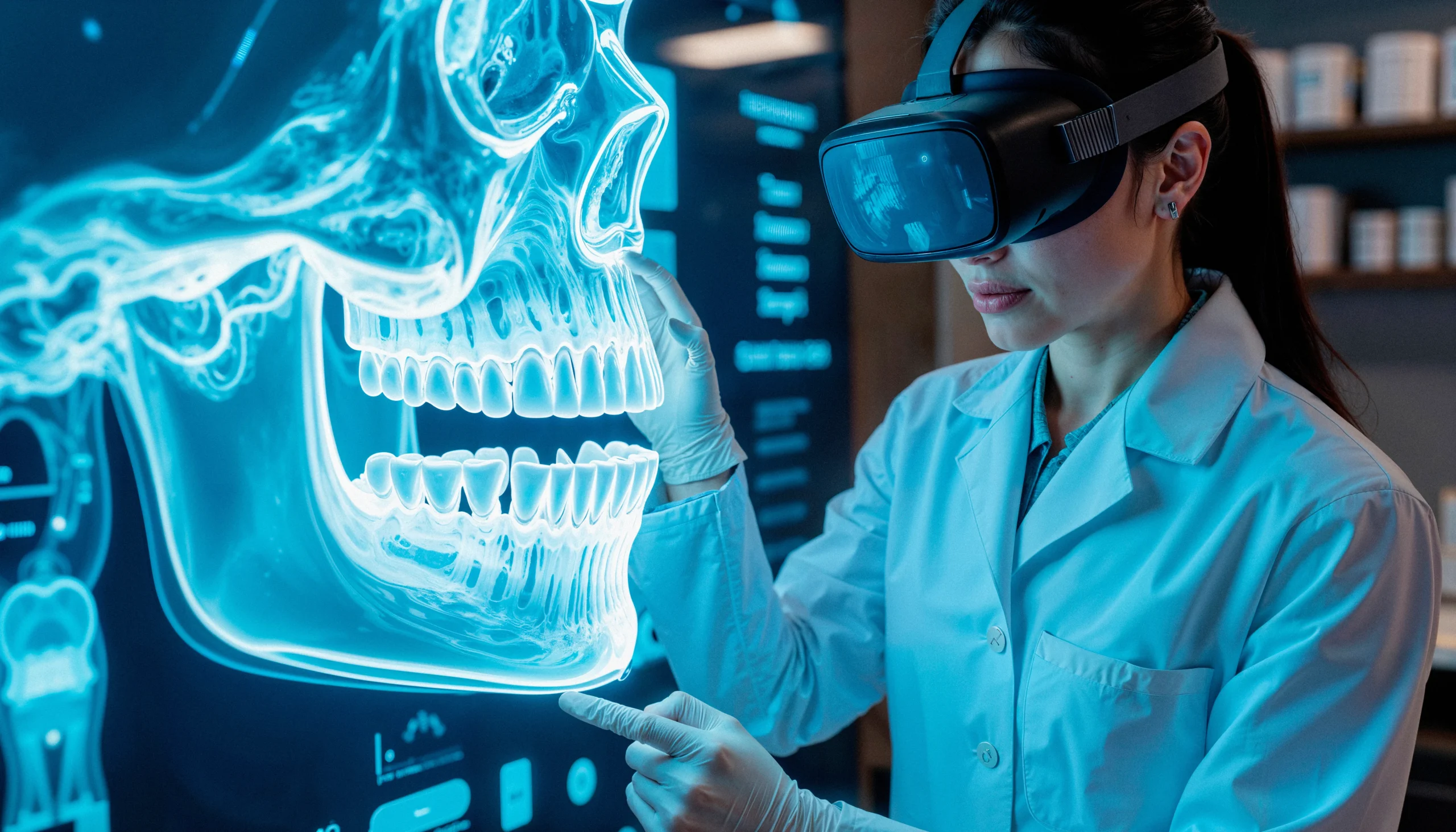
Dentistry has traditionally depended on visual examination, radiographs, and professional judgment. While these methods remain essential, they can vary depending on experience and workload. AI-based systems like Nerovet AI Dentistry introduce a more standardized analytical layer.
Modern clinics are increasingly using AI support for:
- Interpreting dental X-rays and scans
- Identifying early-stage cavities and enamel damage
- Supporting orthodontic treatment planning
- Detecting gum disease patterns
- Highlighting abnormalities for review
- Assisting implant placement decisions
This integration allows dentists to focus more on clinical decisions rather than time-consuming manual analysis.
Why Nerovet AI Dentistry is gaining attention globally
The popularity of AI-assisted dentistry is not accidental. It is driven by real operational challenges faced by dental professionals.
Key reasons behind rapid adoption:
- Increasing patient load in urban clinics
- Demand for faster diagnosis and treatment planning
- Need for more consistent radiographic interpretation
- Growth of cosmetic and orthodontic dentistry
- Shift toward digital healthcare systems
- Rising expectations of tech-enabled patient experiences
In this environment, Nerovet AI Dentistry is seen as part of a broader move toward intelligent healthcare systems.
How AI is changing daily dental workflows
AI is not operating as a standalone tool. It is becoming part of integrated dental ecosystems that include imaging devices, patient records, and treatment systems.
A typical AI-supported workflow includes:
- Patient undergoes digital scanning or X-ray
- AI system processes the image instantly
- Suspicious areas are highlighted automatically
- Dentist reviews findings with clinical context
- Final treatment plan is prepared collaboratively
This process reduces diagnostic delays and improves accuracy in identifying potential issues.
See also How to Protect Your Health: Expert Tips for Everyday Wellness
Core application areas in AI dentistry systems
Nerovet AI Dentistry-related technologies are being applied across multiple branches of dental care.
Preventive dentistry
- Early cavity detection
- Monitoring enamel wear
- Identifying plaque buildup patterns
Orthodontics
- Predicting tooth movement
- Planning alignment treatments
- Supporting braces and clear aligner decisions
Oral surgery
- Implant positioning guidance
- Pre-surgical mapping
- Risk assessment in complex extractions
Periodontal analysis
- Gum disease detection
- Bone density monitoring
- Progress tracking over time
Radiographic evaluation
- Automated X-ray screening
- Abnormality detection
- Supporting second-opinion analysis
What makes AI dentistry systems popular among clinics
The adoption of systems like Nerovet AI Dentistry is also linked to practical benefits seen in real-world environments.
Clinics report improvements in:
- Diagnostic speed
- Patient turnaround time
- Treatment accuracy
- Documentation quality
- Case consistency across dentists
- Patient communication clarity
This creates a more efficient and scalable dental practice model.
The importance of data in AI dental systems
AI dentistry relies heavily on large datasets from scans, records, and treatment histories. Over time, these systems improve through continuous learning.
Key data-driven advantages include:
- Better detection of rare dental conditions
- Improved pattern recognition accuracy
- Reduced diagnostic errors
- Smarter treatment suggestions
- Enhanced predictive capabilities
As more data is processed, system reliability continues to improve.
Patient benefits from AI-assisted dentistry
Even though patients do not directly interact with AI systems, they experience clear improvements in care quality.
Patient-focused advantages:
- Faster diagnosis and reduced waiting times
- Earlier detection of oral health issues
- More transparent treatment explanations
- Better visual understanding of dental conditions
- Improved preventive care strategies
This leads to stronger trust between patients and dental professionals.
Ethical and clinical considerations
While AI provides strong support, its use in dentistry must remain carefully regulated and clinically validated.
Important principles include:
- AI supports but does not replace dentists
- Patient data must remain secure and private
- Results require professional verification
- Over-reliance on automation must be avoided
- Transparency in AI-assisted decisions is essential
Human expertise remains central in all dental decisions.
The future direction of AI in dentistry
AI dentistry is expected to expand further into more advanced applications in the coming years.
Future developments may include:
- Real-time AI analysis during procedures
- Predictive oral health risk scoring
- Fully digital dental ecosystems
- 3D AI surgical planning tools
- Smart preventive alert systems for patients
These advancements will continue improving accuracy and efficiency in dental care.
Final perspective on Nerovet AI Dentistry evolution
Nerovet AI Dentistry represents a shift toward more intelligent, data-driven oral healthcare. It is not replacing dentists but strengthening their ability to diagnose and treat patients with higher precision.
The future of dentistry is moving toward a hybrid model where human expertise and artificial intelligence work together. This combination improves diagnostic confidence, reduces errors, and enhances patient experience.
As adoption grows, clinics that integrate AI-supported systems are likely to lead in efficiency, trust, and clinical outcomes, marking a new era in modern dental practice.