








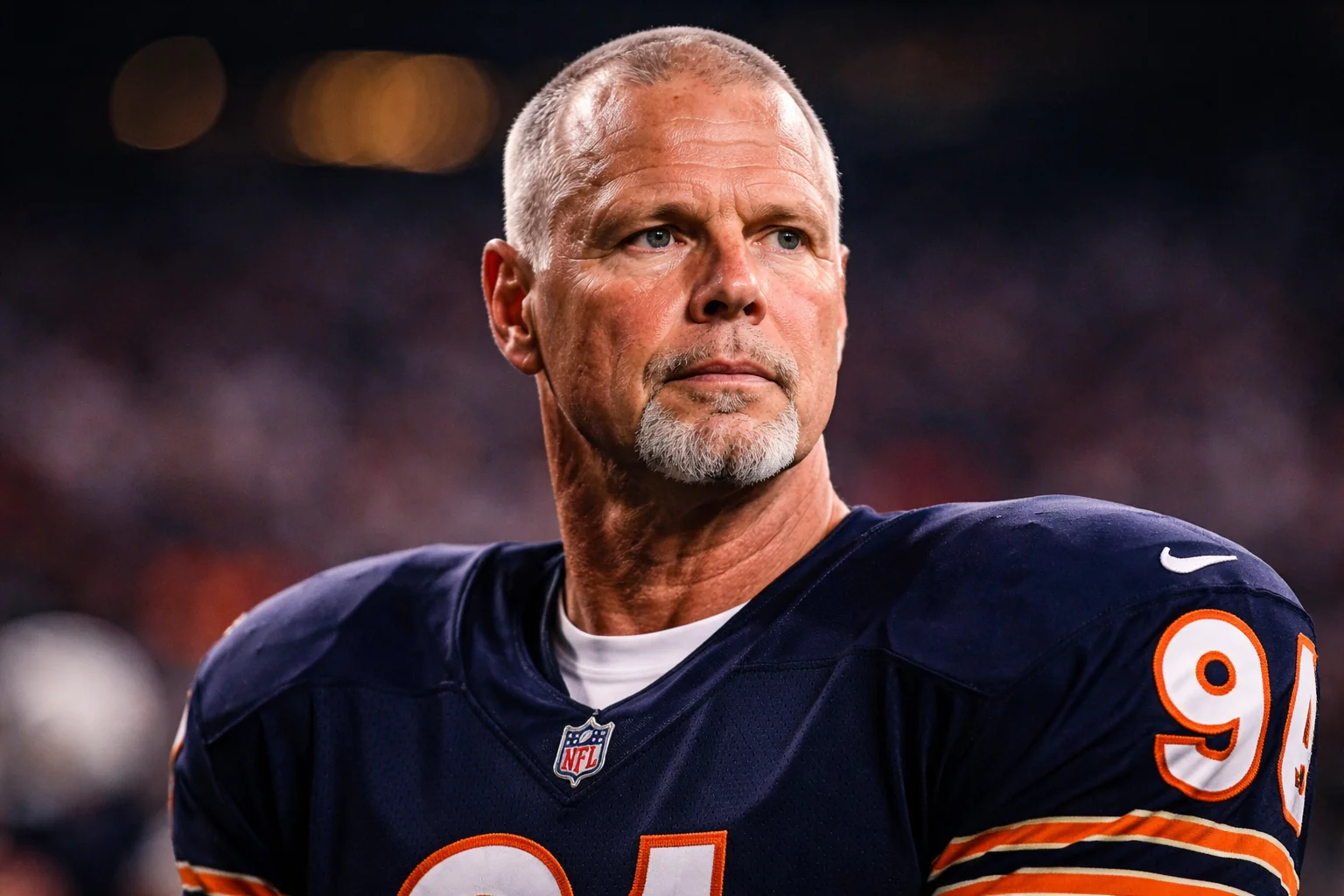
Jim McMahon, the former NFL quarterback renowned for his time with the Chicago Bears, has become a pivotal figure in the discourse on athlete health, particularly concerning brain injuries and Chronic Traumatic Encephalopathy (CTE). As awareness of the long-term effects of concussions in sports grows, McMahon’s health journey provides crucial insights into the challenges faced by former athletes. In this article, we explore Jim McMahon’s health issues, his battle with CTE, and the broader implications for sports health management.
Introduction to Jim McMahon’s Health Issues
Jim McMahon’s health has been a topic of significant public interest, particularly due to his well-documented struggles with the effects of multiple concussions sustained during his NFL career. As an influential advocate for athlete health, McMahon’s experiences shed light on the urgent need for improved safety protocols in sports. This article delves into McMahon’s health journey, exploring the symptoms he has faced, the treatments he has pursued, and his ongoing advocacy for brain health awareness.
See also Pravi Celer: Easy Smoothie and Juice Ideas for Beginners
Early Signs and Diagnosis
Jim McMahon’s health challenges began to surface shortly after his retirement from professional football. The early symptoms included memory loss, headaches, and cognitive difficulties, all of which are commonly associated with repeated head trauma. These issues prompted McMahon to seek medical evaluation, leading to a diagnosis of CTE—a degenerative brain condition linked to repeated blows to the head.
Understanding CTE and Its Impact on Athletes
Chronic Traumatic Encephalopathy (CTE) is a progressive brain condition found in individuals with a history of repetitive brain trauma. The condition has gained significant attention due to its prevalence among former NFL players and other contact sports athletes.
What is CTE?
CTE is characterized by the accumulation of tau protein in the brain, leading to a range of cognitive and behavioral symptoms. These may include:
- Memory impairment
- Confusion
- Impaired judgment
- Aggression and emotional instability
- Progressive dementia
The condition can only be definitively diagnosed post-mortem, making early detection and intervention a challenge.
Symptoms Experienced by McMahon
Jim McMahon has openly shared his struggles with CTE, highlighting symptoms such as severe headaches, depression, and vision problems. These symptoms have significantly impacted his daily life, underscoring the debilitating nature of the condition.
Medical Interventions and Treatments
Navigating the complexities of CTE and related health issues requires a multifaceted approach. Jim McMahon has explored various medical interventions and treatments to manage his condition.
Surgical and Non-surgical Options
One of the notable treatments McMahon underwent was endoscopic surgery to alleviate pressure on his brain, which provided significant relief from his symptoms. Additionally, he has explored non-surgical options, including:
- Chiropractic care: To address spinal alignment issues that may contribute to headaches and neck pain.
- Hyperbaric oxygen therapy (HBOT): Used to enhance oxygen supply to the brain and facilitate healing.
Innovations in Treatment
McMahon has been an advocate for alternative treatments, including cannabis, which he credits with alleviating pain and improving his quality of life. This has sparked a broader conversation about the potential benefits of cannabis for managing pain and inflammation in athletes.
Life Beyond Football
Jim McMahon’s life after football has been marked by his commitment to raising awareness about brain health and advocating for better support systems for former athletes.
Advocacy for Brain Health
As a public figure, McMahon has used his platform to highlight the risks associated with contact sports and the need for comprehensive health protocols. His advocacy efforts include:
- Speaking engagements: Sharing his story at conferences and events to educate others about CTE and brain health.
- Partnerships with health organizations: Collaborating with groups focused on athlete safety and mental health awareness.
Public Appearances and Contributions
McMahon’s public appearances often emphasize the importance of mental health management and seeking support. He has contributed to documentaries and interviews that discuss the long-term effects of sports injuries, providing valuable insights into the challenges faced by former athletes.
Coping Strategies and Support Systems
Managing the long-term effects of CTE requires robust support systems and effective coping strategies. Jim McMahon’s journey highlights several key approaches:
Family and Community Support
The role of family and community cannot be understated in supporting individuals with CTE. McMahon has credited his family and close friends for providing emotional support and encouragement throughout his health journey.
Mental Health Management
Mental health management is a critical component of coping with CTE. McMahon emphasizes the importance of:
- Regular therapy sessions: To address emotional challenges and develop coping strategies.
- Mindfulness and relaxation techniques: Such as meditation and yoga, to manage stress and improve mental well-being.
Case Study: Jim McMahon’s Health Journey
Jim McMahon’s health journey serves as a compelling case study for understanding the impact of CTE on former athletes. His experiences underscore the need for early intervention and comprehensive care in managing sports-related brain injuries.
Comparison Table: Traditional vs. Alternative Treatments
| Treatment Type | Traditional Options | Alternative Options |
| Medical Interventions | Prescription medications, surgery | Chiropractic care, hyperbaric oxygen therapy |
| Pain Management | NSAIDs, opioids | Cannabis, mindfulness practices |
| Mental Health Support | Therapy, psychiatric medications | Meditation, yoga |
Conclusion: Raising Awareness and Future Outlook
Jim McMahon’s health journey is a testament to the resilience required to navigate the challenges associated with CTE and sports injuries. His advocacy efforts have brought much-needed attention to the importance of athlete health and safety. As awareness of CTE continues to grow, it is imperative for the sports community to implement effective preventive measures and provide comprehensive support for athletes at all stages of their careers.
Call to Action: For athletes, coaches, and sports organizations, McMahon’s journey serves as a powerful reminder of the importance of prioritizing brain health. By advocating for safer sports practices and supporting ongoing research into CTE, we can help protect current and future athletes from the long-term impacts of sports-related brain injuries.
Frequently Asked Questions
- What health issues does Jim McMahon have?
Jim McMahon has been diagnosed with Chronic Traumatic Encephalopathy (CTE), a condition linked to repeated head trauma sustained during his NFL career. He experiences symptoms such as memory loss, headaches, and cognitive difficulties. - How has CTE affected Jim McMahon’s life?
CTE has significantly impacted McMahon’s daily life, causing severe headaches, depression, and vision problems. These symptoms have led him to explore various medical and alternative treatments to manage his condition. - What treatments has Jim McMahon pursued for his health conditions?
McMahon has undergone endoscopic surgery, chiropractic care, and hyperbaric oxygen therapy. He also advocates for cannabis use as a pain management strategy. - What is Jim McMahon doing now to manage his health?
McMahon focuses on mental health management through therapy and mindfulness practices. He also remains active in advocacy efforts to raise awareness about brain health and CTE. - What role does Jim McMahon play in advocating for athlete health?
McMahon uses his platform to educate others about the risks of contact sports and the importance of comprehensive health protocols. He participates in speaking engagements and collaborates with health organizations to promote athlete safety.
Jim McMahon’s story is a powerful reminder of the importance of addressing athlete health issues and advocating for safer sports practices. Through continued awareness and research, we can work towards a future where the health and well-being of athletes are prioritized and protected.