







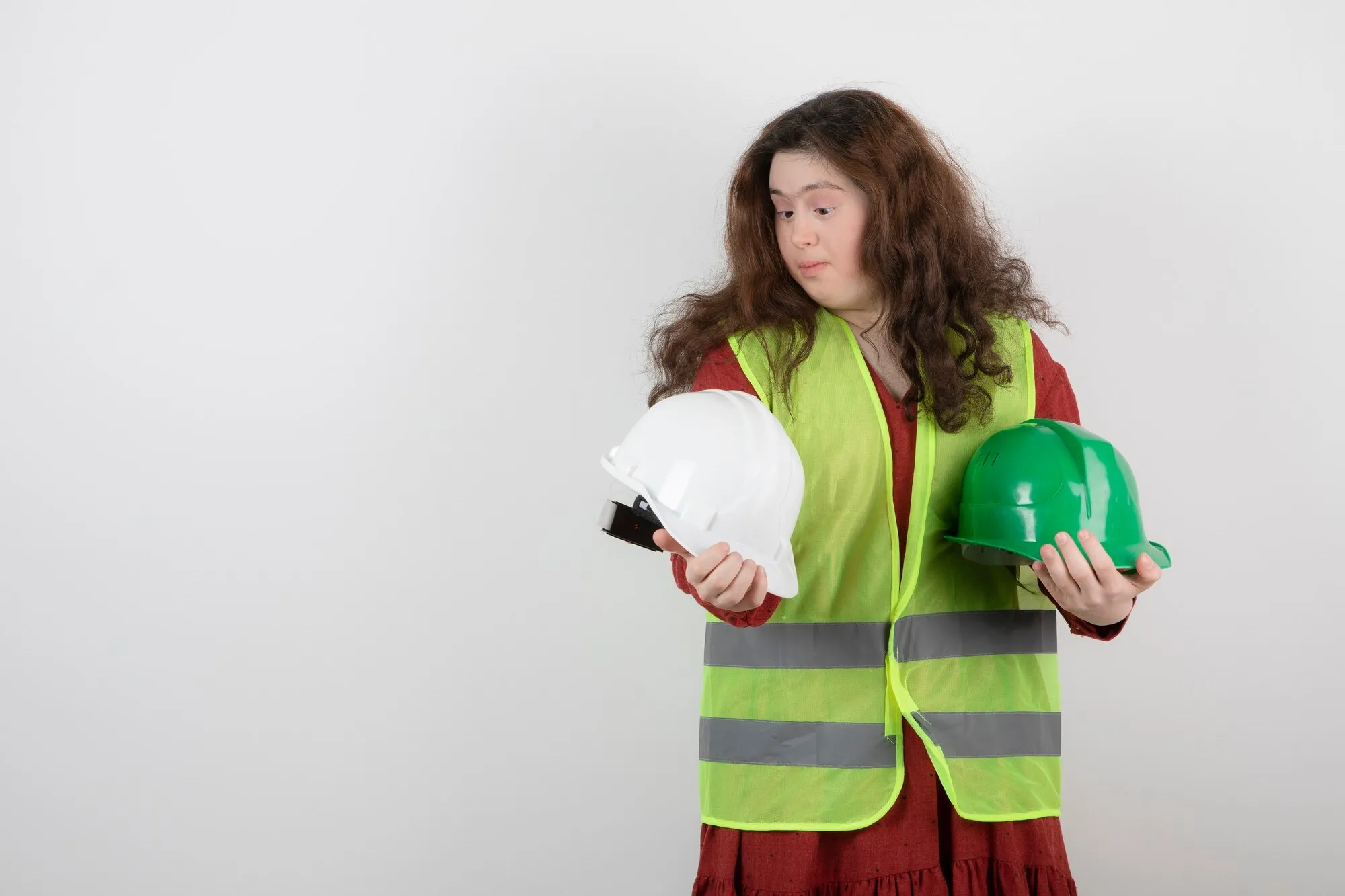
Safety equipment is an essential component in protecting individuals from potential hazards in various environments. Whether you’re working on a construction site, in a factory, or engaging in DIY projects at home, having the right protective gear can make all the difference. But how do you choose the right safety equipment for your specific needs? Let’s explore the critical aspects to consider when selecting the best safety gear.
Understanding the Importance of Safety Equipment
Why is safety equipment so crucial? The primary purpose of safety gear is to protect individuals from injuries and accidents that can occur in different settings. From hard hats on construction sites to safety goggles in laboratories, the right equipment is designed to mitigate risks and ensure safety compliance.
Consider the stakes: a lack of proper safety equipment can lead to serious injuries, costly downtime, and even legal repercussions for non-compliance with safety standards. This underscores the importance of making informed choices when selecting safety gear.
Identifying Your Specific Needs
Before purchasing any safety equipment, it’s vital to assess your specific needs. Are you working with hazardous chemicals? Do you require protection from falling objects? Different scenarios demand different types of gear, and understanding the risks involved is the first step in selecting the right equipment.
Think about the environment in which you’ll be using the gear. For instance, industrial settings may require more robust equipment like safety boots and respiratory protection, while a home workshop might demand earmuffs and safety gloves. By identifying these needs, you can narrow down your options and focus on the most relevant equipment.
Evaluating Safety Standards and Regulations
Another crucial aspect of selecting safety equipment is understanding the applicable safety standards and regulations. Organizations like the Occupational Safety and Health Administration (OSHA) set guidelines to ensure that safety gear meets certain performance criteria. Familiarizing yourself with these standards can guide you in choosing equipment that offers reliable protection.
Moreover, compliance with these regulations is not just about safety—it’s also about legality. Failing to adhere to safety standards can result in fines and penalties, which is why it’s essential to choose gear that meets or exceeds these requirements.
Exploring Different Types of Safety Equipment
Safety equipment comes in various forms, each designed to address specific hazards. Here are some common types of safety gear and their applications:
- Personal Protective Equipment (PPE): Includes items like helmets, gloves, and protective clothing, essential in numerous industries.
- Fire Safety Equipment: Covers fire extinguishers and smoke detectors, critical for both residential and commercial settings.
- Industrial Safety Gear: Encompasses items like ear protection and respirators, often used in manufacturing and construction environments.
By understanding the different categories of safety equipment, you can better match the gear to your specific requirements.
Making Informed Purchase Decisions
Once you’ve identified your needs and understood the relevant standards, the next step is purchasing the right safety equipment. But how can you ensure you’re making the best choice? Start by researching top-rated brands and reading reviews from other users. This can provide insights into the quality and durability of the products.
Additionally, consider the long-term costs. While it might be tempting to opt for cheaper options, investing in high-quality safety gear can pay off in the long run by reducing the risk of accidents and the need for frequent replacements.
Maintaining and Caring for Your Safety Equipment
Having the right safety equipment is only part of the equation. Proper maintenance is crucial to ensure that your gear continues to provide the necessary protection. Regular inspections can help identify any wear and tear, allowing you to address issues before they compromise safety.
Follow the manufacturer’s guidelines for cleaning and storage to prolong the lifespan of your equipment. For instance, some items may require specific cleaning agents or storage conditions to prevent damage.
Staying Updated with Emerging Trends
The world of safety equipment is continually evolving, with new technologies and materials enhancing protection standards. Staying informed about these innovations can help you make better purchasing decisions. For example, smart safety equipment, which integrates technology for real-time monitoring, is gaining popularity in various industries.
Eco-friendly safety gear is also on the rise, offering sustainable alternatives without compromising on safety. By staying updated with these trends, you can ensure that your safety equipment is both effective and aligned with modern standards.
Conclusion: Equip Yourself for Safety Success
Choosing the right safety equipment involves a careful consideration of your specific needs, compliance with safety standards, and awareness of emerging trends. By taking the time to assess these factors, you can select gear that not only protects but also provides peace of mind.
Ready to enhance your safety protocols? Explore your options, invest in quality, and stay informed about the latest advancements in safety equipment. Your safety—and that of those around you—depends on making the right choices.