








Introduction
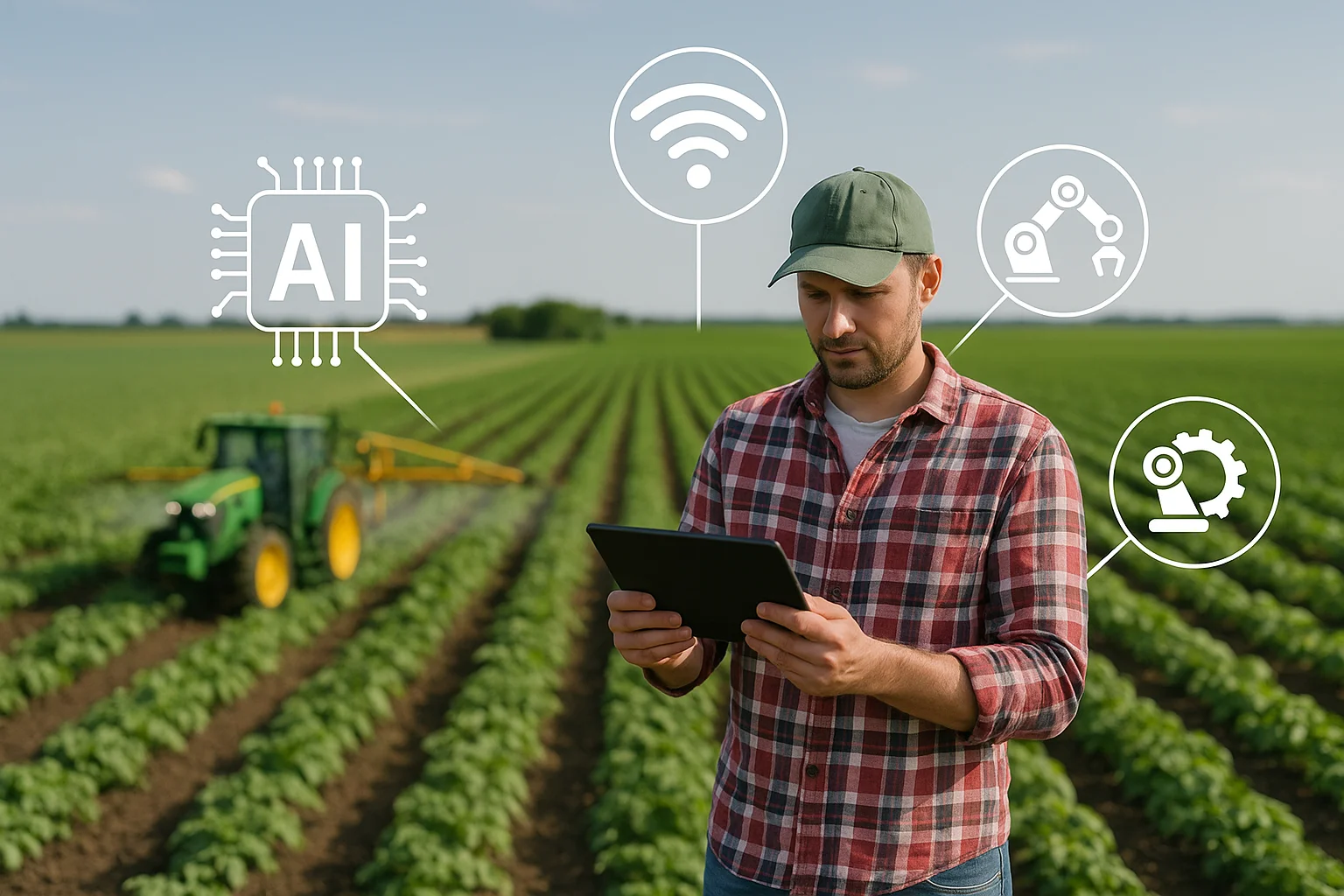
Agriculture is entering a new era, with technology playing a central role in reshaping the future of farming. Farmers Hub Technologies represents a powerful ecosystem where traditional farming meets digital innovation. By combining automation, data-driven decision-making, and smart tools, these technologies empower farmers to maximize yields, minimize waste, and make agriculture more sustainable.
As global demand for food continues to rise, smart farming solutions are essential. Farmers Hub Technologies bridges the gap between traditional agricultural practices and advanced digital transformation. This ensures food security while helping businesses and communities thrive.
What Are Farmers Hub Technologies?
Farmers Hub Technologies refers to a collection of digital platforms, smart devices, and automation systems designed for the agriculture sector. These technologies integrate data analytics, IoT devices, AI, drones, and automation tools into farming processes. This integration enables farmers to make better decisions in real time.
This approach acts as a hub—connecting data, equipment, and people. It simplifies complex agricultural processes by providing insights into soil quality, crop health, irrigation needs, and market opportunities.
Importance of Farmers Hub Technologies in Modern Agriculture
Data-Driven Farming
Farmers now have access to real-time data instead of relying solely on experience. Data hub technologies gather valuable insights from sensors, satellites, and weather forecasts. This helps farmers determine the right time for planting, harvesting, and fertilizing.
Improved Productivity
Automation and precision agriculture tools help farmers boost yield while cutting down on labor costs. Solution hub technologies streamline processes like irrigation, pest management, and logistics.
Sustainability and Resource Management
One of the most pressing issues in agriculture is sustainability. Farmers Hub Technologies ensures resources like water, soil, and energy are used efficiently, reducing waste and promoting eco-friendly practices.
Bridging Traditional and Smart Farming
These technologies enhance traditional methods rather than replace them. Just like Hub2Technologies serves businesses, Farmers Hub Technologies ensures farming communities remain competitive in the digital era.
Core Components of Farmers Hub Technologies
IoT Sensors and Devices
Internet of Things (IoT) devices monitor soil moisture, temperature, and crop growth. Farmers receive instant notifications to take timely action.
Drones in Agriculture
Drones have revolutionized monitoring and spraying. They help farmers scan large fields, detect crop diseases early, and reduce the use of harmful chemicals.
AI and Machine Learning
Artificial intelligence enables predictive analytics for yield forecasting, pest control, and irrigation planning. R1 hub technologies 2.0 and similar models showcase how AI-driven platforms can be adapted for agriculture.
Robotics and Automation
From automated tractors to robotic harvesters, automation minimizes manual labor while increasing precision.
Digital Marketplaces
Digital platforms, inspired by digital hub technologies, connect farmers directly with buyers, eliminating middlemen and ensuring fair pricing.
Farmers Hub Technologies in Action
Precision Agriculture
Precision farming uses GPS mapping, IoT sensors, and analytics to optimize planting and harvesting. This ensures maximum crop output while using fewer resources.
Smart Irrigation Systems
With climate change impacting water availability, smart irrigation ensures crops get just the right amount of water. These systems are powered by x hub technologies and other digital innovations.
Supply Chain Integration
Farm-to-market logistics are streamlined through digital tools. Just as haul hub technologies optimize transportation in other industries, similar concepts are applied to agricultural supply chains.
Remote Farm Management
Farmers can now monitor and manage their farms remotely via smartphones. Cloud-based dashboards bring together data on soil health, weather, and crop performance.
Benefits of Farmers Hub Technologies
Increased Yield and Profitability
With advanced tools, farmers can reduce risks and improve harvest quality.
Reduced Costs
Automation reduces labor expenses while smart resource allocation minimizes fertilizer and water costs.
Risk Mitigation
Early disease detection, weather forecasts, and predictive analytics help farmers mitigate risks.
Global Competitiveness
Farmers equipped with smart technologies can compete globally by producing high-quality crops at competitive prices.
Farmers Hub Technologies and Global Food Security
With the world’s population projected to exceed 9 billion by 2050, food security has become a critical challenge. Farmers Hub Technologies addresses this by:
- Enhancing productivity
- Reducing post-harvest losses
- Promoting sustainable practices
- Enabling transparent supply chains
By leveraging technologies from companies like scripts hub technologies and my hub technologies, farmers can ensure food supply keeps pace with demand.
Challenges in Implementing Farmers Hub Technologies
High Initial Costs
Smart devices, drones, and AI platforms require investment, which can be challenging for small-scale farmers.
Digital Literacy
Farmers need training to adopt and fully utilize these technologies. Platforms like hub technologies leadership play a role in guiding communities through this digital transformation.
Infrastructure Gaps
Reliable internet connectivity and power supply remain barriers in many rural areas.
Data Security and Privacy
As with r1 hub technologies login and other platforms, securing sensitive farm data is essential.
The Future of Farmers Hub Technologies
The future of agriculture is undeniably digital. Emerging technologies like blockchain will bring more transparency, while AI-powered robots will handle complex farming tasks. Companies such as v hub technologies private limited and eut hub technologies pvt ltd are already working toward scalable agricultural solutions.
Farmers Hub Technologies is expected to integrate with other industry-specific platforms, creating a holistic digital farming ecosystem. Just as digital graphix hub technologies inc leads in creative industries, agriculture too will benefit from sector-specific innovation hubs.
How Farmers Can Adopt Farmers Hub Technologies
Start Small
Farmers should begin with affordable IoT devices or mobile-based solutions.
Leverage Government & Private Support
Many governments and private firms offer subsidies, grants, and training for adopting smart farming.
Partner with Technology Providers
Collaborations with companies like hub technologies (m) sdn bhd or local digital solution providers make adoption smoother.
Continuous Learning
Staying updated with new platforms, like artist hub technologies in the creative field or sports hub technologies in fitness, helps farmers see the broader potential of digital ecosystems.
Conclusion
Farmers Hub Technologies is more than just a trend—it’s the future of agriculture. By integrating smart farming tools, IoT devices, AI, and data-driven platforms, farmers can ensure sustainable growth, higher productivity, and better global competitiveness.
As adoption increases, these technologies will not only benefit farmers but also strengthen global food security. Now is the time for farmers, businesses, and policymakers to collaborate and embrace digital transformation in agriculture.
If you’re ready to explore innovative farming solutions, Hub2Technologies and related platforms can guide you toward the right smart farming strategies.